

What is an allergy? (layman's language)
An allergy happens when your dog's immune system mistakes something harmless for a threat and overreacts. That overreaction releases "alarm chemicals" (like histamine), which can lead to itching, redness, inflammation, and sometimes stomach upset.
Symptoms — how allergies show up in dogs
Common skin + ear signs (most common):
- Itchy skin, scratching
- Paw licking/chewing
- Redness, rashes, hives
- Hot spots
- Itchy ears / head shaking
- Hair loss or bald patches
Gut signs (can happen, especially with food reactions):
- Chronic gas
- Diarrhoea
- Vomiting
Why it matters:
When dogs scratch, lick, or bite itchy areas, it can lead to secondary bacterial or yeast infections, making the itch spiral worse.
Step 0 — Rule out the look-alikes first (don't skip this)
Before you decide it's "food vs seasonal," make sure your vet has considered:
- Fleas / flea allergy (even one bite can trigger a big flare in sensitive dogs)
- Mites
- Skin/ear infections (bacterial/yeast)
Why this step is important: these issues can mimic allergies and can also exist alongside allergies.

Always rule out parasites and infections first before diagnosing allergies
Environmental (seasonal) allergies
Environmental allergies are triggered by things in the air or home environment, such as:
- Pollen
- Molds
- Dust mites
- Insect particles
Clues it may be seasonal/environmental
- Symptoms worsen during particular months
- Flare-ups happen after visiting a park / grassy area / specific location
- Paws, belly, face, ears are frequently affected
Managing seasonal allergies (at home)
- Wipe/rinse after walks: paws, face, belly
- Bathing: as recommended, especially after known exposure
- Wash bedding weekly and keep sleeping area clean
Seasonal allergy testing (what your vet may suggest)
If your vet suspects environmental allergy (atopy), they may consider:
- Intradermal skin testing: tiny allergen amounts placed in the skin and monitored
- Serum IgE blood tests (RAST/ELISA): checks IgE responses (can help, but false positives can occur)
🦴 Treat note during seasonal flares:
If your vet has ruled out food triggers (or your dog's safe proteins are already known), keep treats ingredient-simple during flare weeks.
Choose the protein your dog tolerates best.
True food allergy (what it is)
A true food allergy is an immune reaction, most often to a protein. Any food can be an allergen for an individual dog — it's not about "good food vs bad food."
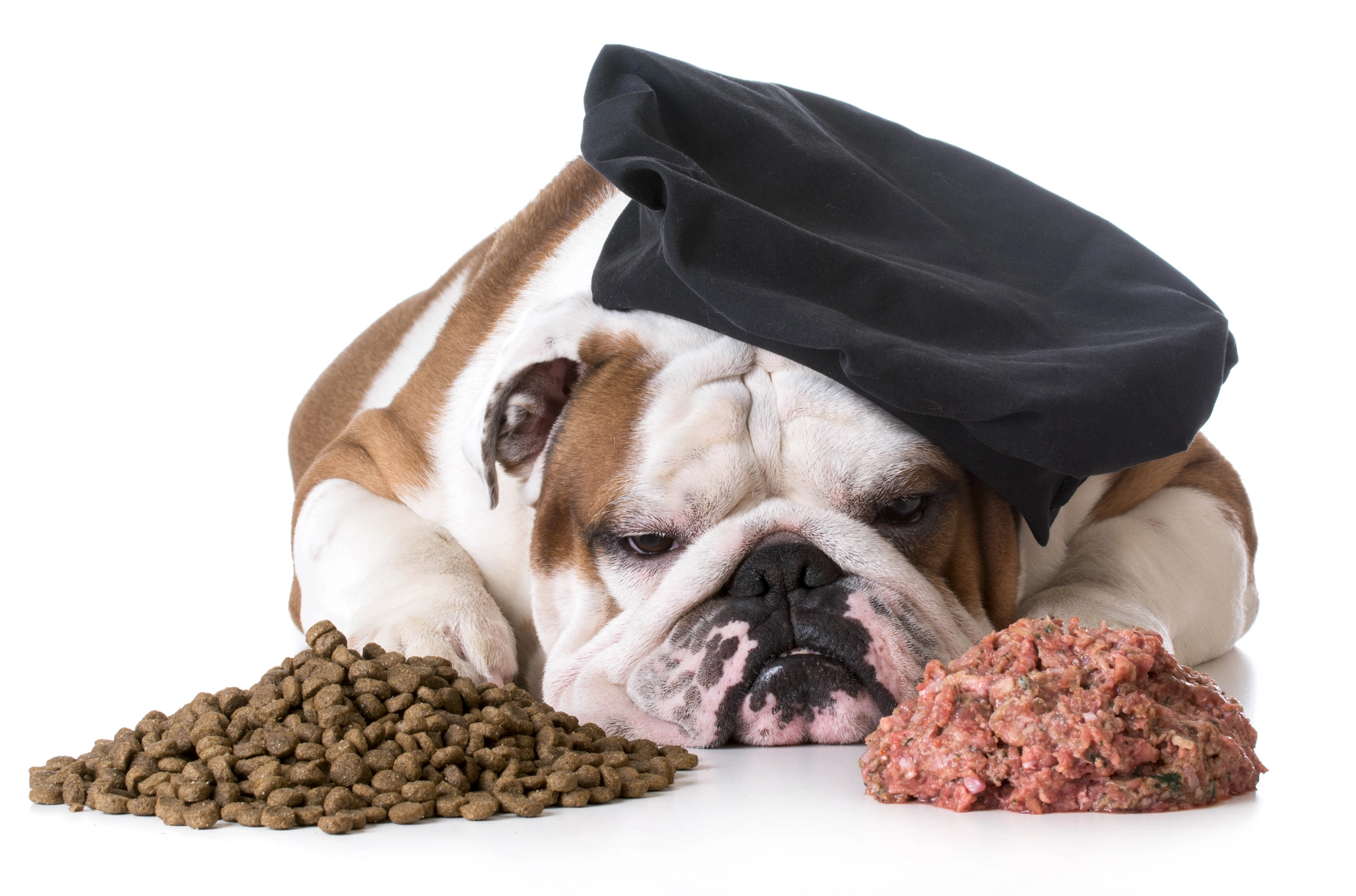
Single-protein diets help identify food allergy triggers
Common food allergy triggers in dogs
Most common (often reported):
- Chicken
- Beef
- Dairy
- Wheat
Less common (but still possible):
- Egg
- Corn
- Fish
- Rice
- Soy
Note: "Most common" doesn't mean these foods are bad for every dog — it means these show up more often in allergy cases.
Food allergy testing (what actually confirms it)
1) Elimination diet trial (strict)
Your vet may recommend a strict elimination diet for 8–12 weeks (especially for skin symptoms). During the trial, the dog should eat the prescribed diet only.
2) Food challenge (confirmation step)
If symptoms improve, your vet may ask you to reintroduce the suspected trigger(s) to confirm symptoms return.
About blood/saliva/hair "food allergy tests":
These tests are widely marketed, but they are not considered reliable for diagnosing true food allergies. If you want certainty, the elimination diet + challenge is the method that confirms it.
What treats are allowed?
If your dog is on an elimination diet trial
- Best practice: no treats other than what your vet allows
- Many owners use the same kibble from the trial diet as training rewards
- Avoid flavored supplements/chews/pill pockets unless your vet approves
After you know your dog's safe proteins (or your vet clears ingredients)
This is the stage where treats can be reintroduced safely:
- Choose single-protein treats that match your dog's tolerated ingredients
- Keep treats to a sensible share of daily intake (avoid overfeeding)
✅ Once your dog's safe protein is identified, treats become easy.
Pick a single-protein reward that matches what your dog tolerates:
If your dog is currently on an elimination trial, use only the vet-approved diet/treats until testing is complete.
What does "hypoallergenic" food/treats mean?
"Hypoallergenic" usually means less likely to trigger allergies, because the recipe avoids common triggers and keeps ingredients simple. It is not a guarantee, because dogs can be allergic to any protein.
Why Salmon Bites / Lamb Bites are called "hypoallergenic"
Why Fish + Pumpkin + Sweet Potato + Turmeric + Coconut Oil + Brewer's Yeast + Chickpea Flour is called hypoallergenic
It's commonly labeled "hypoallergenic" because it's:
- Single-protein (fish)
- Typically chicken-free / dairy-free / wheat-free
- Built like a limited-ingredient recipe
(Still: some dogs can be allergic to fish, legumes, or yeast.)
Why Lamb + Basil + Sweet Potato + Turmeric + Coconut Oil + Chickpea Flour is called hypoallergenic
It's commonly labeled "hypoallergenic" because it's:
- Single-protein (lamb)
- Chicken-free / dairy-free / wheat-free
(Still: some dogs can be allergic to lamb or legumes.)
Shop by your path
Not sure what your dog needs yet? Use this:
- Still diagnosing (elimination trial): follow vet plan; avoid extra treats
- Safe proteins known: choose the matching single-protein treats
- Seasonal flare weeks: go simple + consistent with ingredients